
Top 10 Most Popular Online Games in India (2026): From BGMI to Ludo King
 By Akanksha Mishra
January 30, 2026
By Akanksha Mishra
January 30, 2026
Why Mobile Gaming Rules India
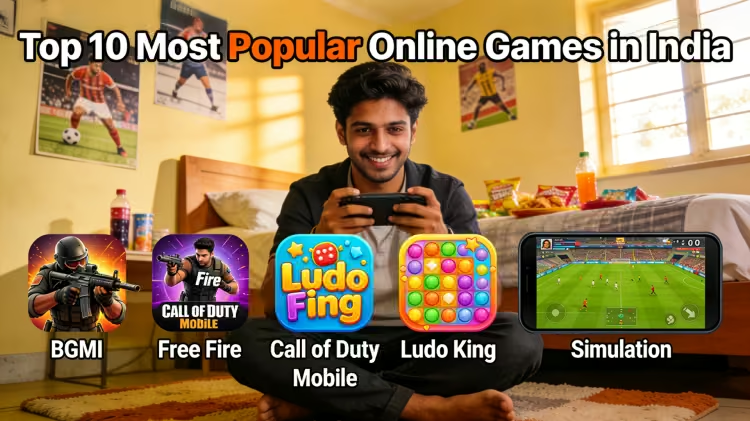
India isn’t just playing games; we’re downloading them like there’s no tomorrow. According to latest Statista figures, our country stands tall as the world’s largest mobile gaming market by downloads, crossing a massive 500 million active gamers last year. That means nearly every second person you see on the train or at the chai stall is probably grinding on some mobile game in India.
But here’s the real story. It isn’t just about the metros anymore. Yes, the kids in Mumbai and Delhi are playing, but so is the delivery guy in Indore waiting for his next order, and the college student in Guwahati chilling in his hostel. Gaming has become the bridge between Tier-1 cities and Bharat—the small towns and villages where a ₹10,000 smartphone doubles as a gaming console, TV, and social network. You don’t need an expensive PC or a PlayStation. Just a decent phone and a working Jio connection, and you’re in.
Whether it is sneaking a quick round of Ludo King during your lunch break, or screaming “enemy down” in BGMI at 2 AM, online games in India have stopped being just a hobby. They are how we hang out with friends, how we compete for pride, and sometimes how we make pocket money too. From casual players killing time to serious esports athletes, everyone is part of this revolution.
How We Ranked These Popular Games in India
Let’s be honest—most lists you find online just copy-paste whatever games topped the Play Store last Tuesday. But that doesn’t tell you what Indian gamers are actually hooked on six months later. We wanted to get this right.
So we went beyond surface-level buzz. First, we pulled raw download data from Sensor Tower and Google Play to see which popular online games in India people are actually installing—not just clicking on. But downloads can be misleading. A hyped game might get 50 million installs and then sit dead on phones. That’s why we checked daily active users (DAU), because the real test is whether someone opens the app while waiting for their chai or metro.
Then we looked at cultural impact. Does the game show up in IPL ad breaks? Are uncles and cousins playing it during family weddings? If it’s become part of our digital DNA, it earned points. Finally, we checked esports presence—prize pools, Indian teams competing internationally, and YouTube viewership. If mobile games India takes seriously enough to build careers around, they belong here.
Table 1: Quick Reference
| Game Name | Genre | Skill vs Luck | Data Usage |
|---|---|---|---|
| BGMI | Battle Royale | 90% Skill / 10% Luck | High |
| Free Fire Max | Battle Royale | 75% Skill / 25% Luck | Medium |
| Ludo King | Board Game | 20% Skill / 80% Luck | Low |
| Call of Duty: Mobile | FPS/Shooter | 95% Skill / 5% Luck | High |
| Teen Patti | Card Game | 70% Skill / 30% Luck | Low |
| Candy Crush Saga | Puzzle | 60% Skill / 40% Luck | Low |
| Real Cricket 24 | Sports | 85% Skill / 15% Luck | Medium |
| Clash of Clans | Strategy | 80% Skill / 20% Luck | Medium |
| Subway Surfers | Endless Runner | 70% Skill / 30% Luck | Low |
| Pokemon GO | AR Adventure | 50% Skill / 50% Luck | Medium |
The Top 10 Online Games Dominating Indian Screens
1. Battlegrounds Mobile India (BGMI) – The Undisputed King
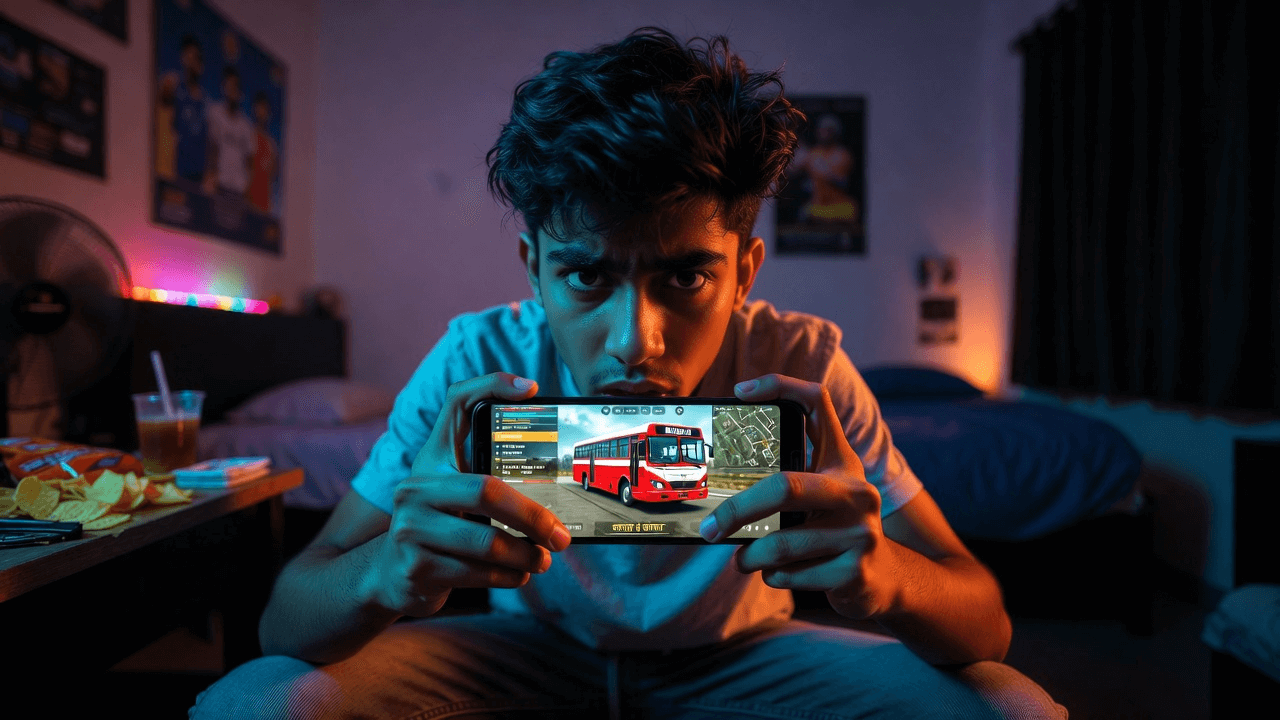
Remember the drama when PUBG got banned? For months, every gamer in India felt like they’d lost their favourite hangout spot. Then Krafton dropped BGMI, and it wasn’t just a rehash—it was rebuilt for us. This is a 100-player battle royale where you parachute onto an island, loot guns, and fight to be the last one standing. But what makes it click here? They added Hindi voice chat and regional language support so your squad can actually coordinate without sounding like they’re auditioning for an English movie.
The esports scene exploded too. BGIS tournaments now fill stadiums, and that one kid from your colony who never studies? He’s probably earning more than software engineers through streaming. It runs smooth even on ₹15,000 phones, which means you don’t need a fancy rig to clutch a chicken dinner. You’ll find everyone from serious competitive players grinding ranked modes to college students playing at 3 AM instead of studying.
It’s available on Android and iOS. The game is heavily skill-based—90% depends on your aim, positioning, and strategy. Only 10% is luck, like whether you find good loot in the first house or get stuck outside the zone.
2. Free Fire Max – The Lightweight Alternative
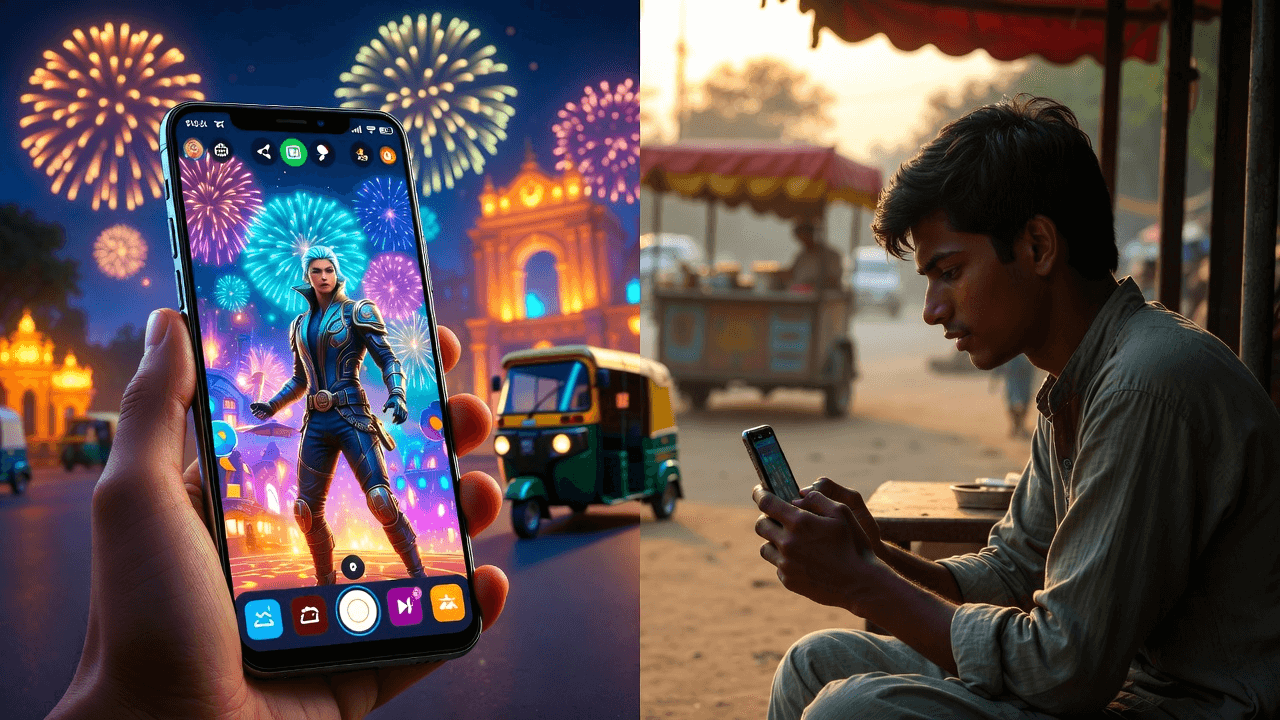
Not everyone owns a phone with 8GB RAM. Garena knows this, and that’s why Free Fire Max became the go-to for Bharat gamers. Matches last just 10 minutes, perfect for when your mom calls you for dinner mid-game or your Jio data is running low. It’s a survival shooter like BGMI but lighter, faster, and easier on budget devices that start lagging if you open too many Chrome tabs.
What hooks Indian players is how local it feels. They drop Diwali-themed skins, Holi special events, and characters that look like they could be from your neighbourhood. The character ability system adds a twist—it’s not just about shooting straight, but about picking the right hero skills for your style. You’ll see auto-rickshaw drivers playing between rides, school kids during lunch breaks, and even your cousin who claims he “doesn’t game much” but mysteriously has 2000 hours logged.
It’s on Android and iOS. Skill accounts for 75% of success—your reflexes and character choices matter hugely—but there’s 25% luck involved in where the safe zone shrinks and what weapons spawn near you.
Table: BGMI vs Free Fire Max Quick Comparison
| Feature | BGMI | Free Fire Max |
|---|---|---|
| Match Duration | 20-30 minutes | 10 minutes |
| RAM Required | 3GB+ | 2GB works |
| Graphics | Ultra-realistic | Stylized/Colorful |
| Best For | Serious competitors | Quick fun sessions |
3. Ludo King – The Lockdown Legacy
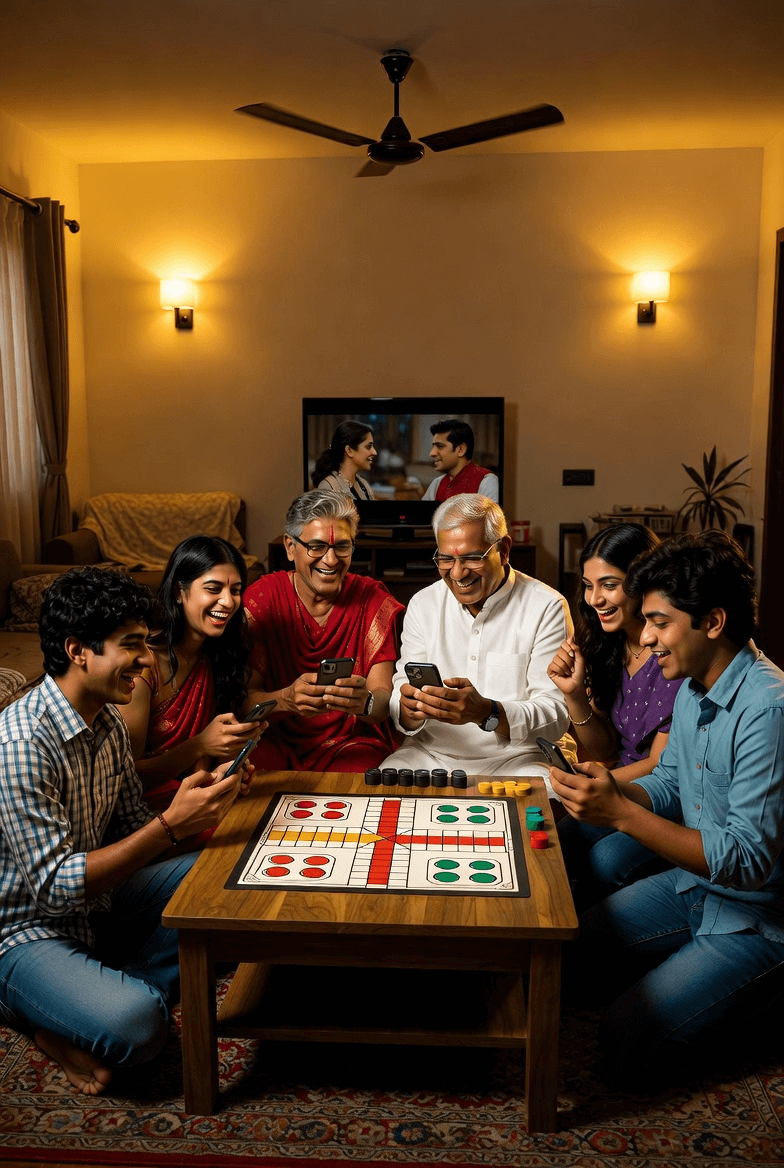
Before 2020, Ludo was something you played with grandparents using a physical board that always lost its dice. Then Gametion digitised it, and suddenly everyone from your CEO to your chaiwala was hooked. This isn’t just a game; it’s a cultural reset. With over 500 million downloads, it’s become the default social glue for Indian families spread across cities.
The genius is in the details. It works offline, so you can play on the metro without worrying about network drops. The six-player mode means the entire family can join without leaving anyone out, and yes, there’s voice chat so you can talk trash when you send someone’s token back to start. During Diwali or family weddings, you’ll find uncles and aunties who’ve never played Candy Crush challenging their nephews to a match.
You’ll find it everywhere—Android, iOS, web browsers, even PC. It’s mostly luck-based (80%), because dice rolls decide your fate, but there’s 20% skill in deciding which token to move when. Casual players dominate here—people killing time during commutes or staying connected with faraway relatives.
4. Call of Duty: Mobile – The Console Experience in Your Pocket
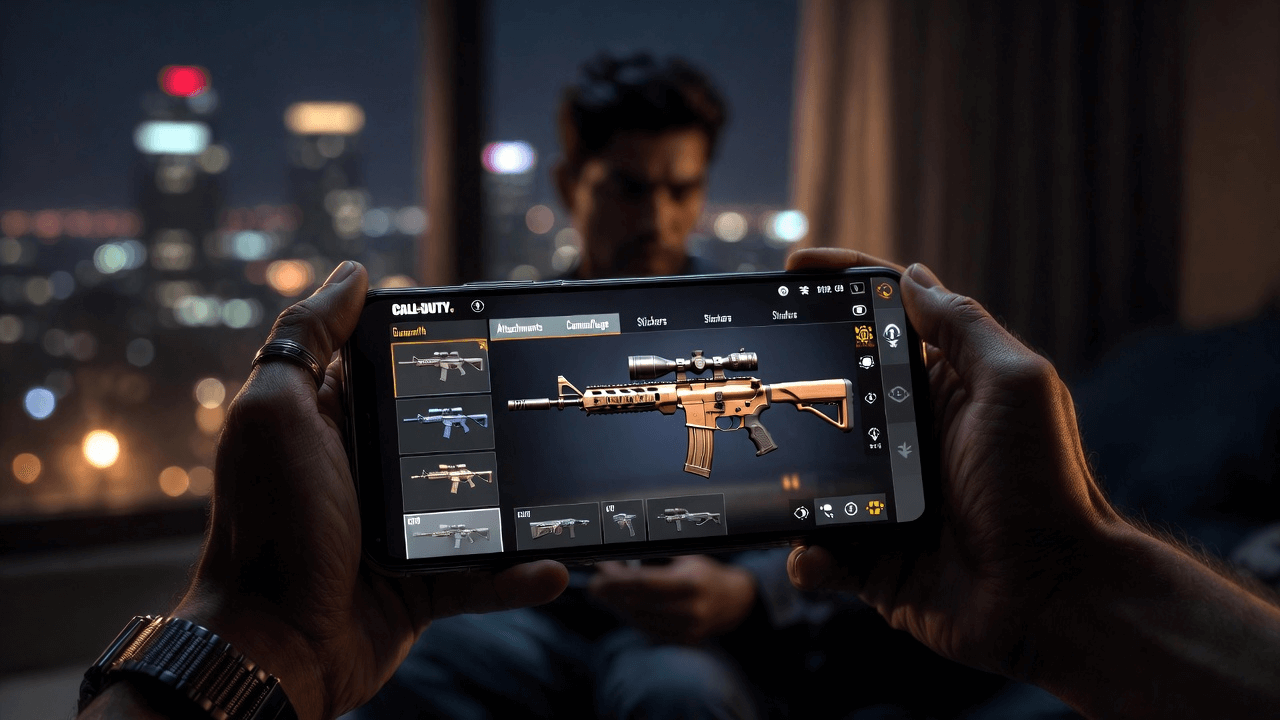
There’s always that one friend who brags about their PS5. But COD Mobile lets you experience similar gunplay without selling a kidney. Activision packed everything—battle royale, 5v5 multiplayer, and even zombie modes—into a free app that somehow runs on mid-range phones. The gunsmith feature is addictive; you can spend hours tweaking attachments until your AK-47 has zero recoil.
Indian competitive players love it because the servers actually work here. Unlike the global version where you’d lag against European players, COD Mobile has dedicated Mumbai servers that give you fair gunfights. The zombie co-op mode became huge during college hostel nights—nothing bonds roommates like surviving undead waves together.
It’s strictly skill-based (95%). Luck barely matters; it’s all about reflexes, map knowledge, and whether you can land that sliding headshot. Available on Android and iOS, this attracts the serious crowd—esports aspirants, FPS veterans, and anyone who wants to feel like they’re in an action movie without leaving their bed.
5. Teen Patti – India’s Poker Equivalent
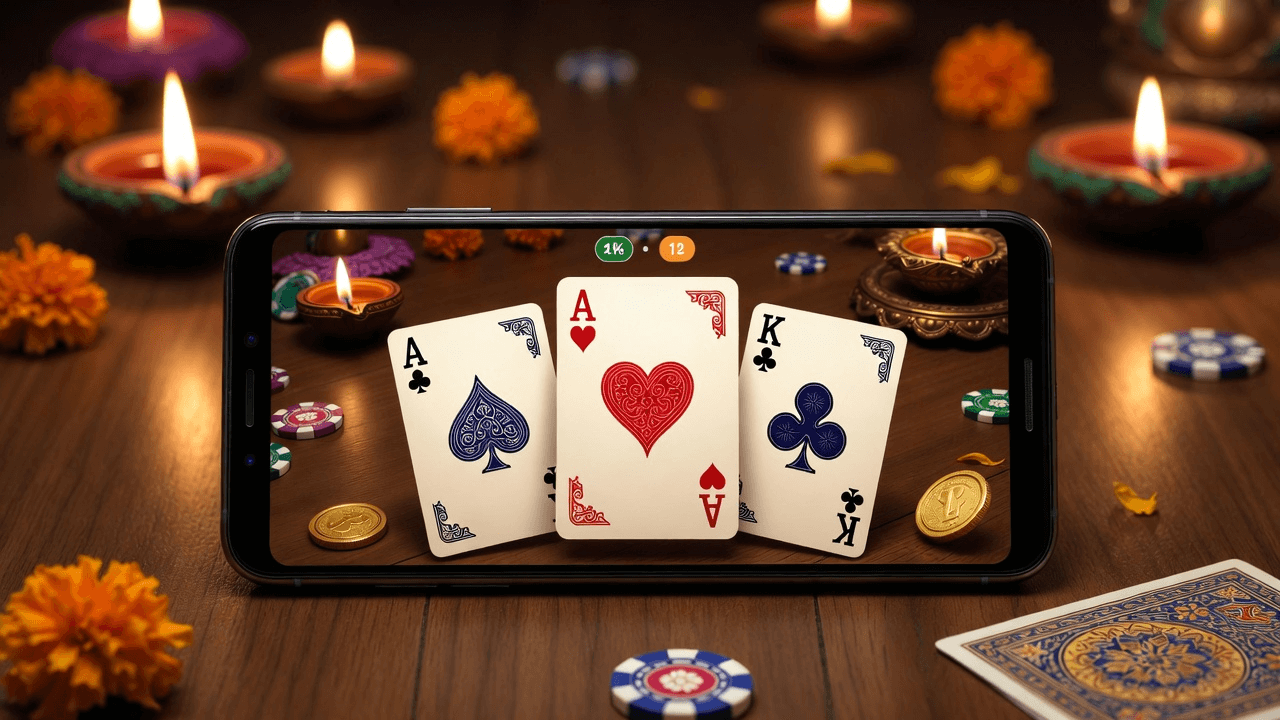
Every Indian knows Teen Patti. It’s the game played during Diwali nights with real cash on the table, cousins crowded around, and that one uncle who always seems to win. Apps like Teen Patti Gold and Octro brought this to phones, and it exploded because it feels like home. The rules are simple—three cards, better hand wins—but the psychology runs deep.
Here’s why it works: it’s legally classified as a skill game in most states, which means real money gaming is possible without the gambling stigma. During festivals, these apps run special tables with Diwali themes and bigger prize pools. Your neighbour might be playing for ₹10 a hand while serious players join high-stakes rooms.
If you’re curious about how skill-based card gaming works legally in India, check out our detailed guide on skill vs chance gaming at bridgermind.com. We break down the regulations so you know what you’re getting into.
Available on Android and iOS, this attracts everyone from casual Diwali-only players to daily grinders. It’s 70% skill—reading opponents, calculating probabilities, knowing when to bluff—and 30% luck, because cards are cards at the end of the day.
6. Candy Crush Saga – The Commuter’s Companion
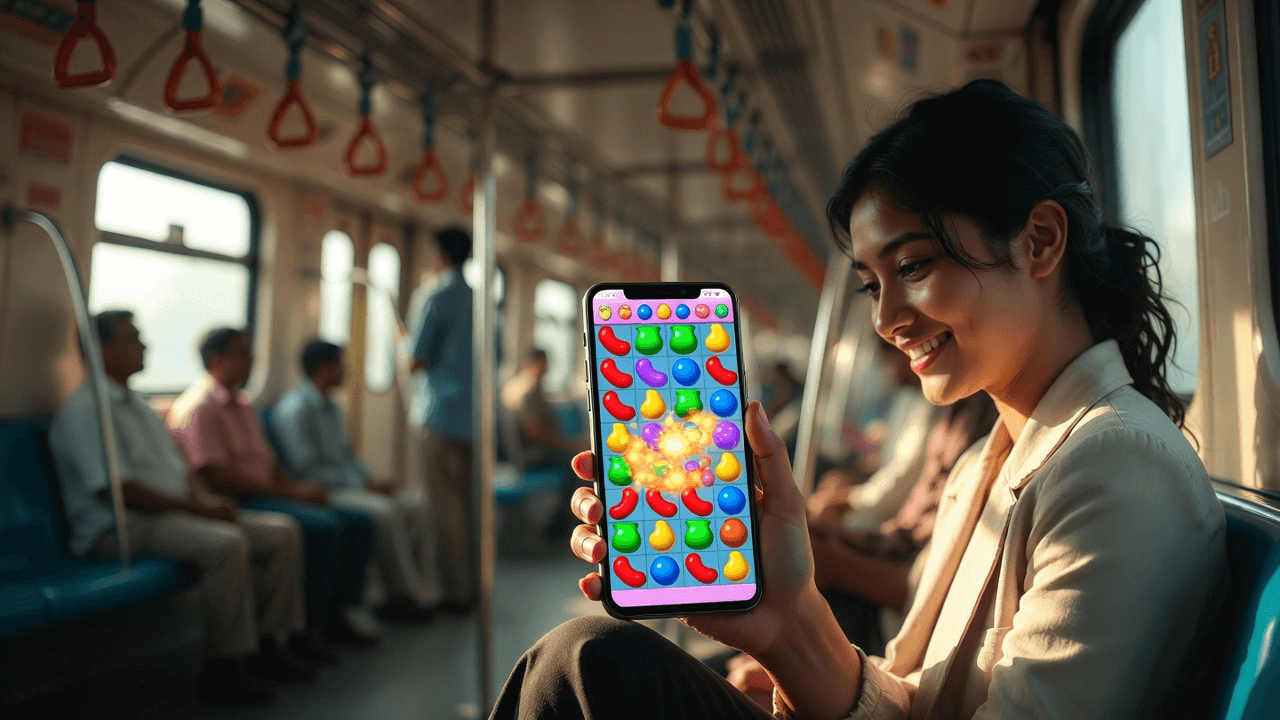
You’ve definitely seen it—the person in the metro crushing candies with intense focus, ignoring station announcements. King’s match-3 puzzle game became India’s breakfast-table companion for a reason. It respects your time and your data plan. One level takes exactly five minutes, perfect for the Delhi Metro’s Dwarka to Rajiv Chowk route or while waiting for your Maggi to cook.
It works offline, so you don’t need that elusive “Network Available” message in underground stations. The pastel colours and simple mechanics make it accessible to everyone—your mom probably has a higher level than you do. Unlike competitive shooters, there’s no toxicity here. Just you, some striped candies, and the satisfaction of clearing a jelly level.
You’ll find it on Android, iOS, and web. Skill plays a 60% role—pattern recognition and planning moves matters—but 40% is luck depending on what candies fall from above. Purely casual territory here; nobody becomes an esports athlete playing Candy Crush, but millions grind levels during their daily commute.
7. Real Cricket 24/25 – The Gentleman’s Game Digital
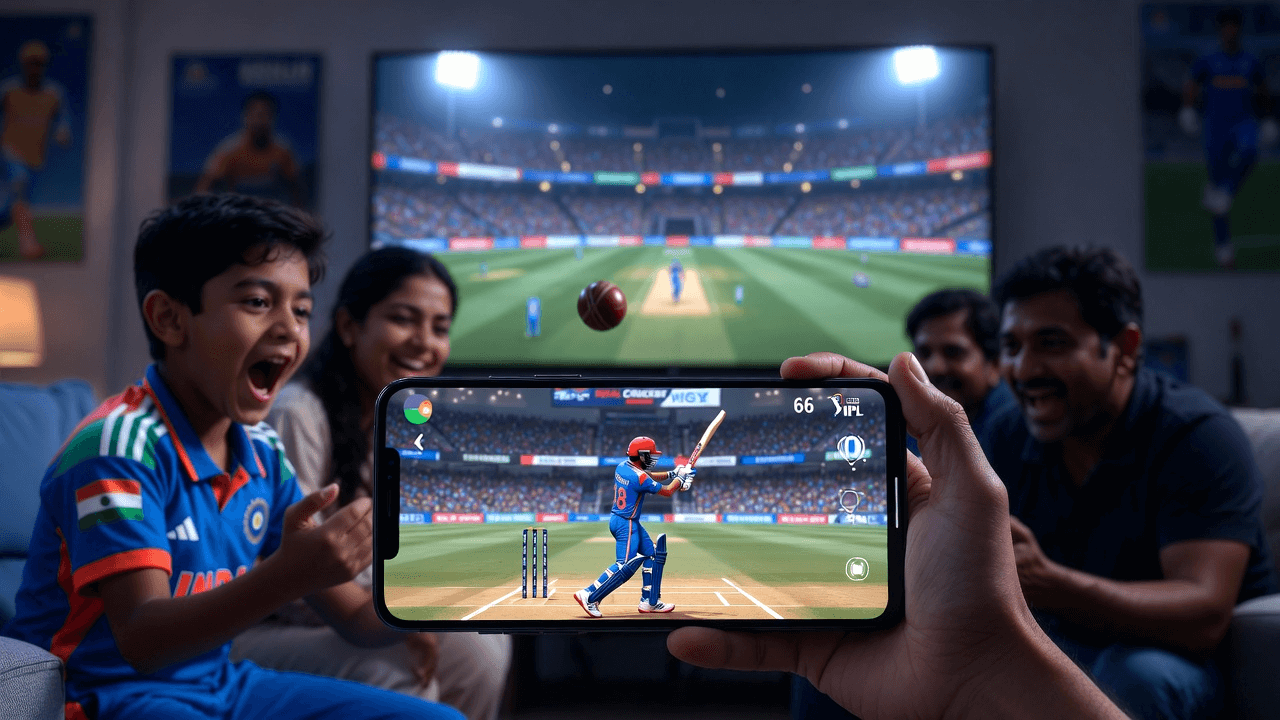
Indians don’t just watch cricket—we live it. When the IPL isn’t on, Real Cricket fills that void. Nautilus Mobile created a simulation that understands what we want: commentary in Hindi and English, IPL-style camera angles, and the ability to hit a six over cow corner while your friend bowls at you from another city.
The timing mechanics are crisp. You can’t just button-mash; you need to read the ball, judge the length, and time your shot selection perfectly. Hardcore fans spend hours in the career mode, taking a rookie from domestic cricket to international stardom. During actual IPL season, this app sees insane traffic because people want to simulate matches that got rained out or recreate historic chases.
Available on Android and iOS, this is for the cricket-obsessed—guys who argue about batting averages at work and treat every match like the World Cup final. It’s 85% skill—your timing and shot selection decide boundaries vs catches—with just 15% luck on umpire decisions and occasional edges.
8. Clash of Clans – The Strategy Veteran
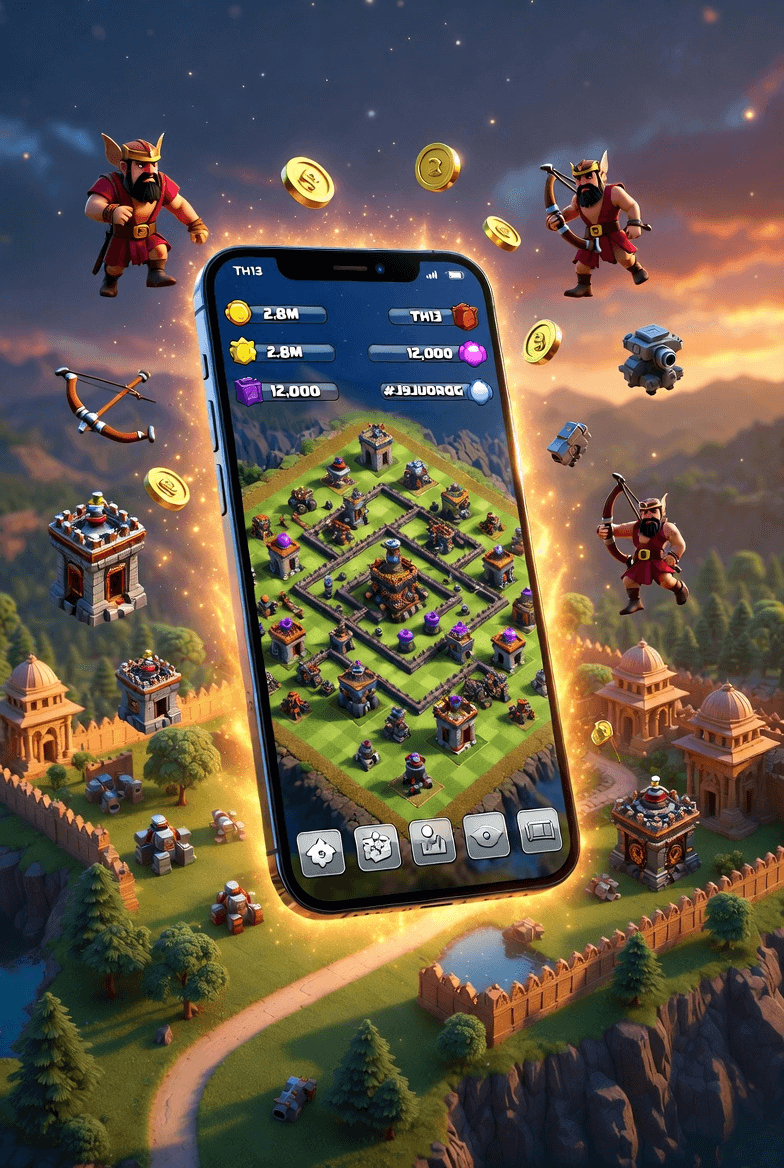
Ten years in, and this game still refuses to die. Supercell created something that respects Indian players’ intelligence—you can’t pay-to-win here, you have to think. Building your base, managing resources, and coordinating clan wars requires patience and strategy. Indian players love the clan chat feature; it’s become a social network where engineering students discuss attack strategies at 2 AM.
What clicks here is the “judicious gem spending” mentality. Indian players are thrifty; we calculate exactly where to spend our premium currency rather than splurging blindly. The game doesn’t demand daily grinding—you can attack once, upgrade something, and check back tomorrow. Perfect for working professionals who can’t commit to hour-long sessions.
On Android and iOS, this attracts strategy lovers and community builders. It’s 80% skill—base design and attack planning determine wins—versus 20% luck in defensive layouts occasionally fooling attackers. It’s casual in time commitment but competitive in spirit.
9. Subway Surfers – The Endless Runner That Never Dies
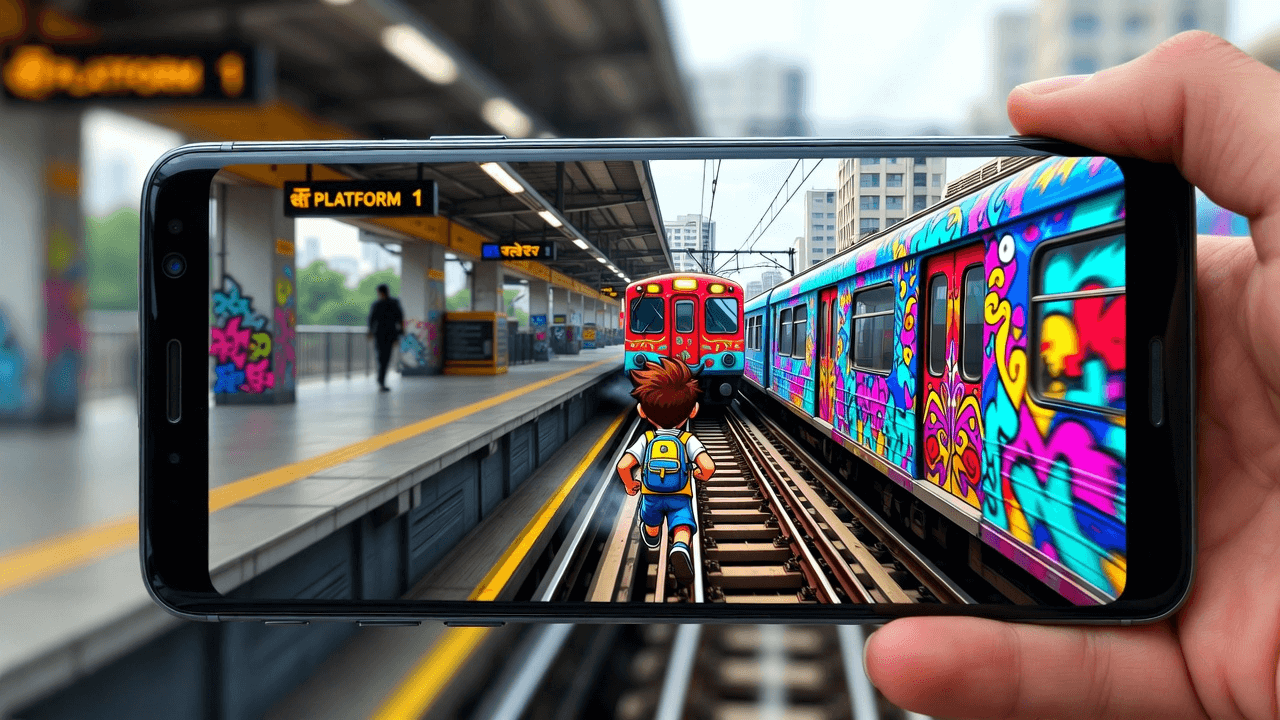
This game has survived longer than most Bollywood careers. The concept is simple: run, jump, dodge trains, collect coins. But Kiloo and SYBO keep it fresh with Mumbai-themed updates that feature local landmarks and Indian characters. It’s the ultimate one-hand game—you can play it while holding a chai in the other hand during a bumpy bus ride.
There’s no learning curve. Your grandmother could pick it up and understand immediately. That’s why it’s everywhere—auto drivers during traffic jams, students during lecture breaks, anyone who needs instant distraction without commitment. The Mumbai updates specifically made waves because suddenly you were running through streets that looked familiar, collecting pav bhaji tokens instead of generic coins.
Pure Android and iOS territory here. Skill accounts for 70%—your reflexes and swipe timing must be sharp—but 30% is luck based on power-up spawns and train patterns. Strictly casual, zero competitive scene, maximum nostalgia.
10. Pokemon GO – The AR Survivor
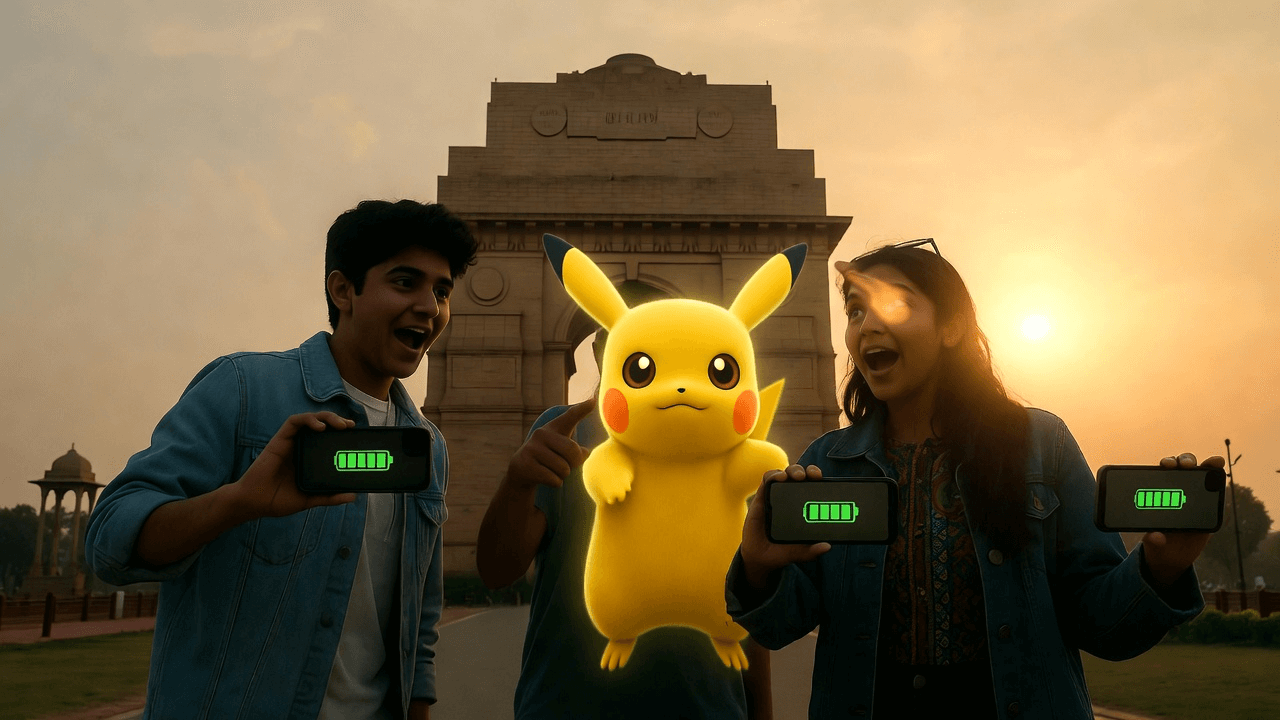
Remember 2016 when everyone was walking into traffic trying to catch Pikachu? While the hype died globally, India kept playing. Niantic spotted this and started hosting festival events at actual Indian monuments—imagine catching a rare Pokemon at India Gate or Charminar. It gives people an excuse to walk, which appeals to the health-conscious crowd in metros.
The Battery Saver mode is a lifesaver for Indian phones that usually die by evening. You don’t need the latest iPhone; a basic Android running the optimized version works fine. Community days see groups of players gathering in parks, trading creatures, and discussing IV stats like they’re discussing cricket stats.
Available on Android and iOS, this attracts explorers and collectors—people who treat it like a lifestyle app rather than just a game. It’s 50% skill in throwing technique and battle strategy, and 50% luck in what spawns in your area. Casual in nature but with a dedicated niche following.
Gaming Trends Shaping India’s Online Landscape in 2026
The Rise of Skill-Based Real Money Gaming (RMG)
The line between gaming and earning has blurred. Walk into any college canteen in Hyderabad or a chai stall in Lucknow, and you’ll hear debates about Rummy and Teen Patti strategies—not just luck, but calculated moves. The legal distinction matters here: Indian courts have ruled that games like Rummy and Teen Patti are skill-based, not gambling. This loophole created an explosion of RMG (Real Money Gaming) apps where your actual bank account is on the line.
What changed everything was UPI integration. Remember when winning meant collecting virtual coins? Now you hit “withdraw” and the money hits your Paytm or Google Pay within minutes. No waiting for days, no complicated wire transfers. This instant gratification hooked the Indian mindset—we want results now, not next week.
You’ll find auto drivers grinding Teen Patti between rides and housewives playing Rummy during afternoon breaks. It’s not just about fun anymore; for many, it’s a side income. But this trend walks a tightrope. States are debating regulations, apps are adding “responsible gaming” warnings, and players are learning the hard way that skill doesn’t guarantee a paycheck every day.
Internal link: Curious about the legal differences between skill games and gambling in India? Check out our detailed guide at bridgermind.com/skill-vs-chance-guide to know your rights before you play.
Regional Localization Beyond Just Hindi
For years, gaming in India meant English or Hindi. If you spoke Tamil, Telugu, or Bengali, you were stuck reading subtitles or missing jokes. That’s changing fast, and BGMI is leading the charge. Now you can drop into Pochinki with teammates speaking fluent Tamil, coordinating attacks in the language they actually think in.
This isn’t just translation—it’s cultural localization. Games are adding voice packs where characters speak with regional accents, celebrate local festivals, and reference things that actually matter to players in Chennai or Kolkata. When a game wishes you “Pongal” instead of just “Happy Festival,” it hits different.
The impact is huge. My cousin in Coimbatore finally convinced his dad to try mobile games India because the tutorials were in Tamil. Suddenly, the Bharat audience isn’t just downloading games—they’re understanding them, feeling represented, and sticking around longer. Developers realized that India isn’t one market; it’s 22 official languages and hundreds of dialects.
This trend is pushing popular online games in India into territories where English never reached. Your grandmother in West Bengal can now play Ludo with Bengali voice prompts, and your friend from Andhra can trash-talk in Telugu without switching to English.
Esports Goes Tier-2 and Tier-3
Mumbai and Bengaluru had their fun. Now it’s Indore’s turn. And Jaipur’s. And Lucknow’s. The esports wave isn’t just crashing on metro shores anymore—it’s flooding Tier-2 and Tier-3 cities with prize pools that can buy you a new motorcycle or pay college fees.
Mobile esports cafes are popping up everywhere. In Indore, you can rent a gaming phone by the hour with high-speed WiFi for less than a chai-samosa combo. These aren’t dark, sketchy cyber cafes of the 2000s; they’re legit training grounds where kids from smaller towns practice BGMI scrims with the same intensity as Kota students preparing for JEE.
The prize money changed the perception. When a team from Raipur wins ₹5 lakhs in a tournament, parents stop asking “why are you wasting time on games?” and start asking “can you teach your brother too?” Gaming went from a distraction to a career option in these cities faster than anyone expected.
You’ll see banners for local tournaments in markets, college festivals hosting gaming competitions, and YouTube channels run by teenagers in Bhopal getting more views than some TV shows. The talent pool just got 100 times bigger because geography stopped mattering.
Cloud Gaming on Budget Phones
The biggest lie in Indian gaming was that you needed a ₹50,000 phone to play good games. Reliance Jio and Airtel are killing that myth with cloud gaming. Your ₹8,000 Android can now stream AAA titles because the heavy processing happens on distant servers, not your phone. It’s like Netflix, but for gaming.
5G expansion made this actually playable. Last year, cloud gaming on 4G meant constant buffering and “reconnecting” messages. Now in cities with 5G, you can play BGMI-quality graphics on a phone that normally handles only Ludo King. The data usage is higher, but Jio’s cheap plans made that trade-off worth it.
This democratizes popular online games in India like never before. That delivery guy with a 2-year-old phone? He’s not stuck with outdated versions anymore. Cloud gaming gives him the same visual experience as someone with an iPhone 15.
Cafes are adapting too. Why buy 20 expensive gaming PCs when you can set up 20 basic monitors connected to cloud servers? The barrier to entry just crumbled, and suddenly everyone with a decent internet connection can compete on equal footing.
Skill Games vs Casual Games: What Indian Gamers Prefer
Not everyone plays for the same reason. Your roommate might spend three hours perfecting his BGMI spray patterns, while your mom just wants to clear three Candy Crush levels before her afternoon nap. Understanding this split explains why the popular online games in India landscape looks so diverse.
Skill-based games demand your full attention. They’re the ones where losing actually hurts because you know it was your fault, not bad luck. These titles—BGMI, Teen Patti, Call of Duty Mobile—attract the competitive crowd. They want bragging rights in college WhatsApp groups and dream of esports prize pools. But here’s the catch: they need decent phones and serious data plans. Not everyone can afford that.
Then there’s the casual side—the silent majority keeping mobile games India stats so massive. Ludo King during family weddings, Subway Surfers on the Delhi Metro, Candy Crush while waiting at the doctor’s office. These games don’t judge you for playing in 5-minute bursts or on a ₹8,000 phone with a cracked screen. They’re the digital equivalent of stress balls.
Table 2: Skill vs Casual Gaming in India
| Feature | Skill-Based (BGMI, Teen Patti, CODM) | Casual (Ludo, Candy Crush, Subway Surfers) |
|---|---|---|
| Session Length | 15-30 mins | 2-10 mins |
| Data Usage | High (80-150MB/hour) | Low (5-20MB/hour) |
| Monetization | Cosmetics/Tournament fees | Ads/In-app purchases |
| Primary Motivation | Competition/Status | Stress relief/Boredom |
| Device Requirement | Mid-range+ | Entry-level friendly |
The truth? Most Indian gamers switch between both worlds. You might sweat ranked BGMI matches at night, but play Ludo with your cousins on Sunday afternoon without switching your brain on. That flexibility is exactly why gaming here isn’t just growing—it’s becoming part of daily life.
Responsible Gaming: Playing Smart in the Indian Context
Gaming stops being fun when it starts hurting your real life. With mobile games India scene exploding, we need to talk about boundaries—not the boring lecture kind, but the practical stuff that keeps your gaming habits healthy.
Understanding the Legal Landscape
Here’s something most players don’t know: not all real-money gaming is the same in India. Games like Teen Patti and Rummy are usually classified as skill-based, which makes them legal in most states. But pure betting apps—where you’re just gambling on cricket matches or lucky draws—fall into a grey area that changes depending on which state you’re in. Telangana and Andhra Pradesh have strict bans, while Goa and Sikkim regulate it heavily. Before you download that “win real cash” app promising overnight riches, check if it’s actually skill-based or just disguised gambling. If you’re investing money, know that skill games require strategy and practice, not just luck, to win consistently.
Managing Screen Time
Remember when your mom used to shout about “phone ne aankhein kharab kar deni hain”? She wasn’t entirely wrong. Indian phone brands know we’re hooked—Xiaomi’s MIUI and Oppo’s ColorOS both have built-in Digital Wellness features that track exactly how many hours you wasted on BGMI yesterday. Use these. Set app timers. Most popular online games in India are designed to keep you clicking that “one more match” button until it’s 3 AM and you have an exam at 9. Your phone can now force you to take breaks. Let it.
Financial Discipline
The real enemy isn’t the player camping in the corner—it’s the “99% OFF” pop-up tempting you to buy that legendary skin. Indian gamers get hit hard here because UPI makes spending too easy. One tap and ₹2,000 gone for virtual diamonds. Set UPI transaction limits specifically for gaming apps. Better yet, use a separate wallet with a monthly budget. And watch out for pay-to-win traps where free players become cannon fodder for whales. If you’re not having fun without spending, the game is the problem, not your skills.
Recognizing Addiction Signals
For Indian students especially, the warning signs hide in plain sight. When you’re opening Ludo King “just to check” during online lectures, or when your CGPA drops but your game rank climbs, that’s the red flag. Gaming addiction here doesn’t look like dramatic withdrawal—it looks like “I’ll start studying after this match” turning into 4 AM bedtimes. If your parents are constantly angry about your phone usage, or if you’re lying about playtime, it’s time to uninstall for a week.
FAQ:
Q1: Which mobile game has the most active players in India right now?
Depends on who you ask. Ludo King probably has your entire family—including that uncle who still uses a feature phone—logging in daily. But if you measure by actual hours spent and esports fever, BGMI is where the serious crowd lives. It’s the difference between the game everyone has installed versus the game everyone’s watching on YouTube at 2 AM.
Q2: Do these games work on 2GB RAM phones popular in India?
Reality check: most new mobile games India offers will laugh at 2GB RAM. But Free Fire Max actually respects budget phones; it’s optimized to run without turning your device into a frying pan. BGMI? Forget it unless you enjoy watching frozen screens while enemies loot your crate. You need 3GB minimum there, plus a processor that isn’t from 2019.
Q3: Which games consume the least mobile data?
When you’re on that last 500MB of your Jio pack, switch to Ludo King or Subway Surfers. Both work offline or use less data than sending a WhatsApp forward. Perfect for Delhi Metro’s underground stretches where signal dies faster than your battery percentage.
Q4: Are these games banned or legal?
The confusion is valid. PUBG Mobile got banned, but BGMI is its fully Indian-compliant cousin—same gameplay, different data servers. Free Fire was banned, but Free Fire Max returned with changes. Skill card games like Teen Patti sit in a legal sweet spot as “skill games” in most states, though regulations keep shifting. When in doubt, check your state’s current stance.
Q5: How to choose between skill-based and casual games?
Be honest about your schedule. If your gaming happens in auto-rickshaw traffic jams or between college lectures, stick to casual. If you’ve got weekends free for practice scrims and a phone that cost more than ₹15,000, dive into skill-based popular online games in India. Your lifestyle picks the game, not your ego.